
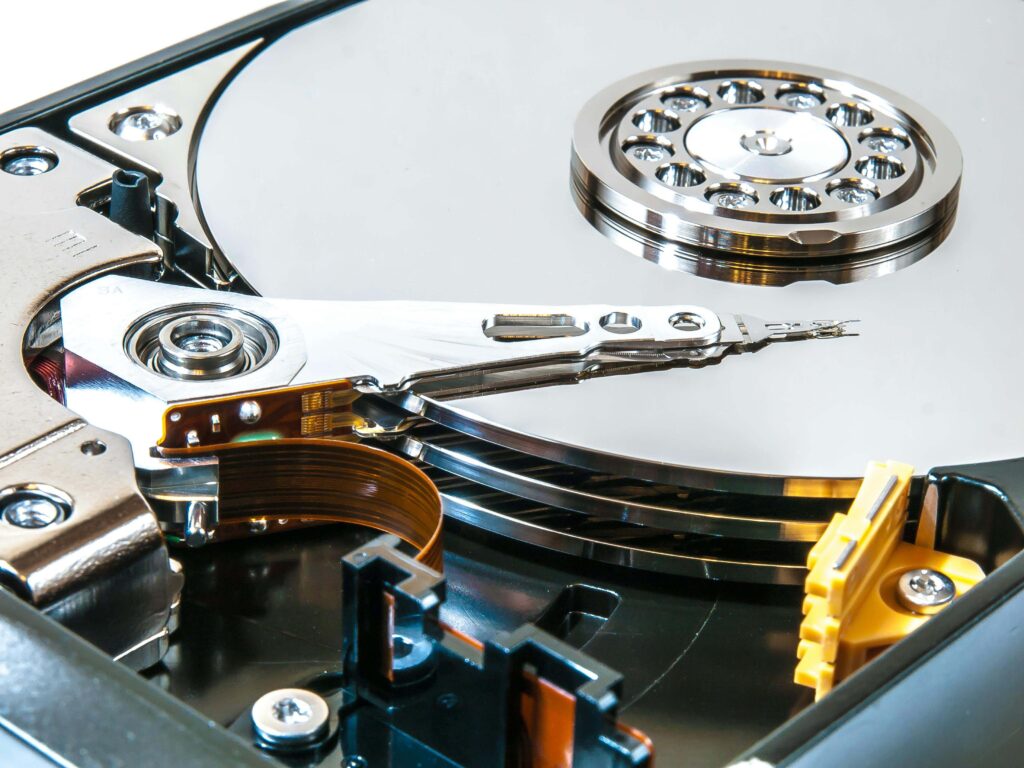
Digital Forensics
Recover, preserve, and explain electronic evidence from devices, systems, and accounts using defensible forensic methods.
Applications & Integration

Mobile device collections and analysis
Deleted file recovery and timeline reconstruction
Chain-of-custody documentation
Computer, server, and storage media examinations
Metadata, communication, and user-activity analysis
Court-ready reports and exhibits
Defensible Collection, Preservation, and Analysis.
In litigation, investigations, and disputes, the truth lives in the data. Digital forensics is the science of recovering, preserving, and analyzing electronic evidence in a manner that is legally defensible and technically sound. Whether you’re building a case, responding to an incident, or uncovering what really happened, our forensic services turn raw data into clear, actionable answers.
Mobile Device Forensics
Smartphones and tablets have become the primary record of how we communicate, where we go, and what we do. Our mobile forensics services extract and analyze data from iOS and Android devices—including text messages, call logs, app data, location history, photos, and deleted content. When the evidence you need exists in someone’s pocket, we recover it with precision and document it for court.
Computer & Server Forensics
Desktops, laptops, and servers contain vast amounts of structured and unstructured data—documents, emails, databases, system logs, and user activity. Our computer forensics team captures forensic images, recovers deleted files, reconstructs timelines, and identifies patterns that reveal intent and action. From employee misconduct to data breaches to intellectual property theft, we follow the data to the facts.
Why Data Delivers Results
Digital evidence doesn’t forget, exaggerate, or change its story. Metadata timestamps activities down to the second. File systems preserve what users thought they deleted. Communication records establish relationships and intent. When testimony conflicts, data resolves it. Our forensic process ensures that evidence is collected, preserved, and presented in a way that holds up—whether in a courtroom, a boardroom, or a regulatory proceeding.
Need help preserving or understanding digital evidence? Schedule an evaluation today.
INSIGHTS & CASES
-
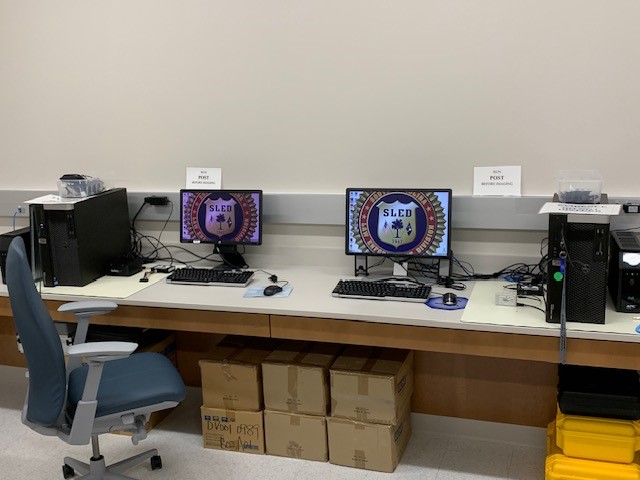
From Murdaugh to Josephson: How SLED Built a Digital Evidence Strategy That Holds Up in the Highest-Stakes Cases
READ MORE: From Murdaugh to Josephson: How SLED Built a Digital Evidence Strategy That Holds Up in the Highest-Stakes CasesThe South Carolina Law Enforcement Division profiles how digital evidence served as the connective tissue…
-

The 2023 Amendment to FRE 702: What Digital Forensics Expert Witnesses Must Now Demonstrate Before Reaching a Jury
READ MORE: The 2023 Amendment to FRE 702: What Digital Forensics Expert Witnesses Must Now Demonstrate Before Reaching a JuryThe December 2023 FRE 702 amendment overrules case law that had applied a “presumption of…
-

That One Artifact: USBSTOR, Shellbags & LNK Metadata Chaining Leads to Guilty Plea and Substantial Prison Sentence
READ MORE: That One Artifact: USBSTOR, Shellbags & LNK Metadata Chaining Leads to Guilty Plea and Substantial Prison SentenceA single USB registry entry opened a forensic chain — USBSTOR, MRU keys, Shellbags, and…